So Exactly What Is DTG (Direct-to-Garment) Printing?
(The No-BS 2025 Explanation)
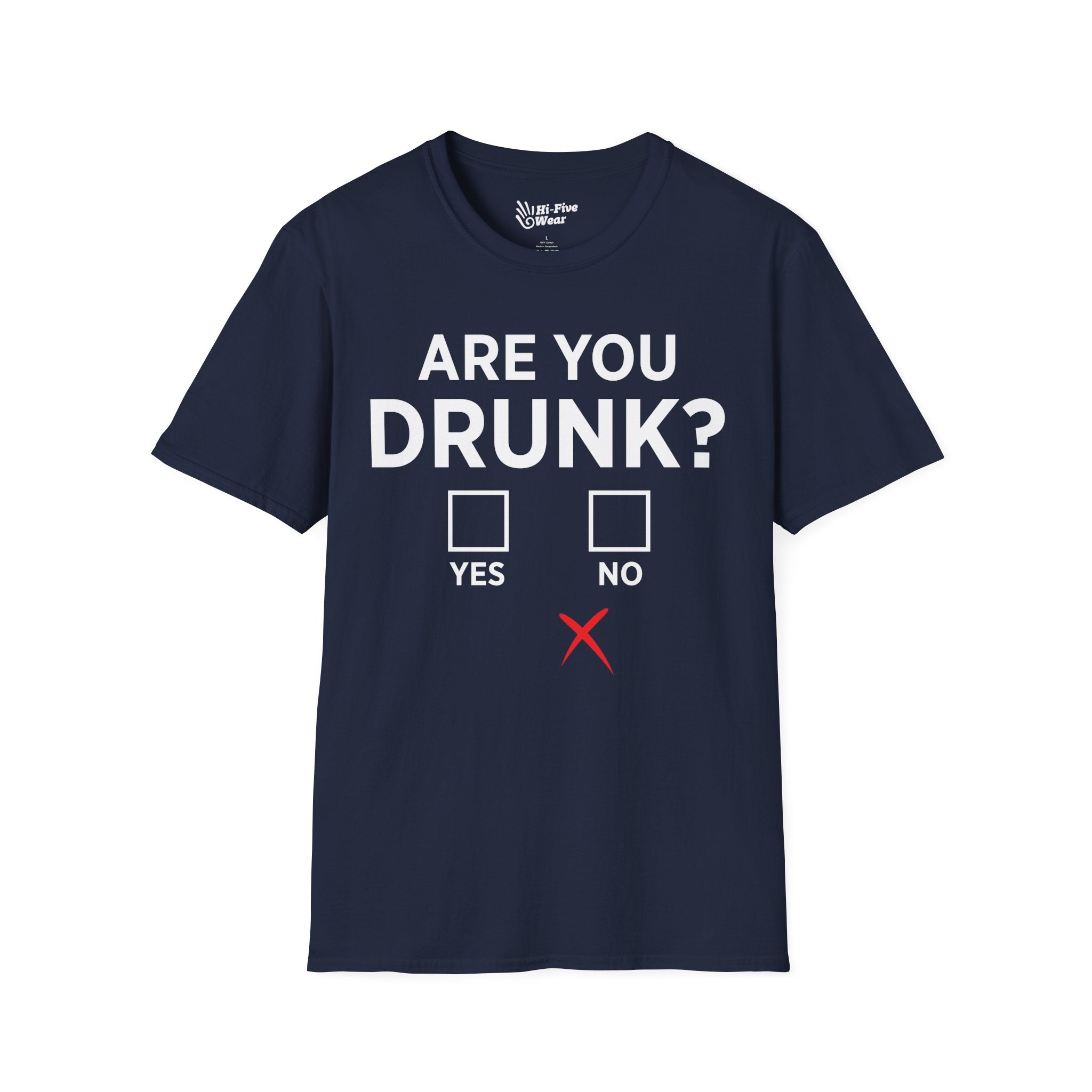
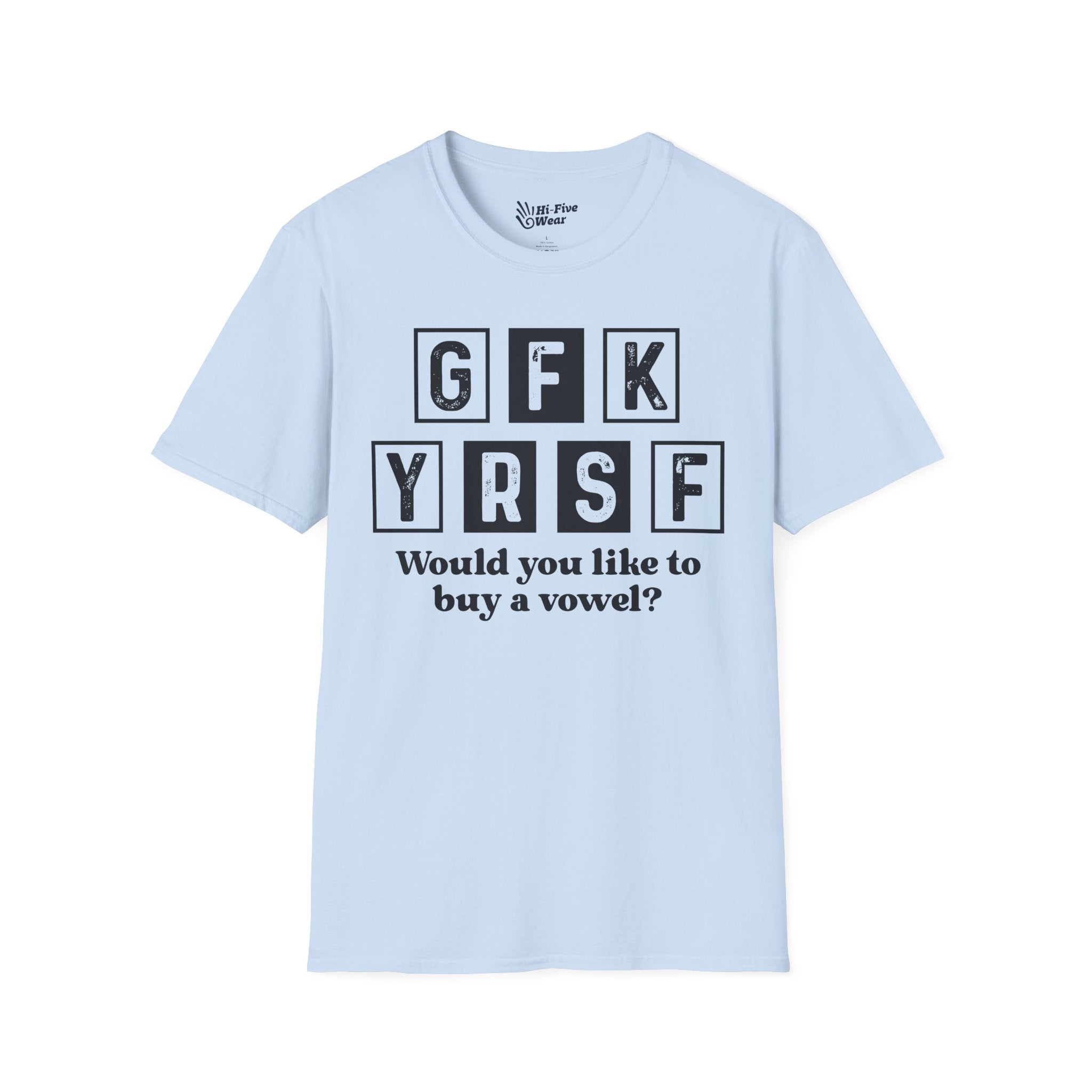
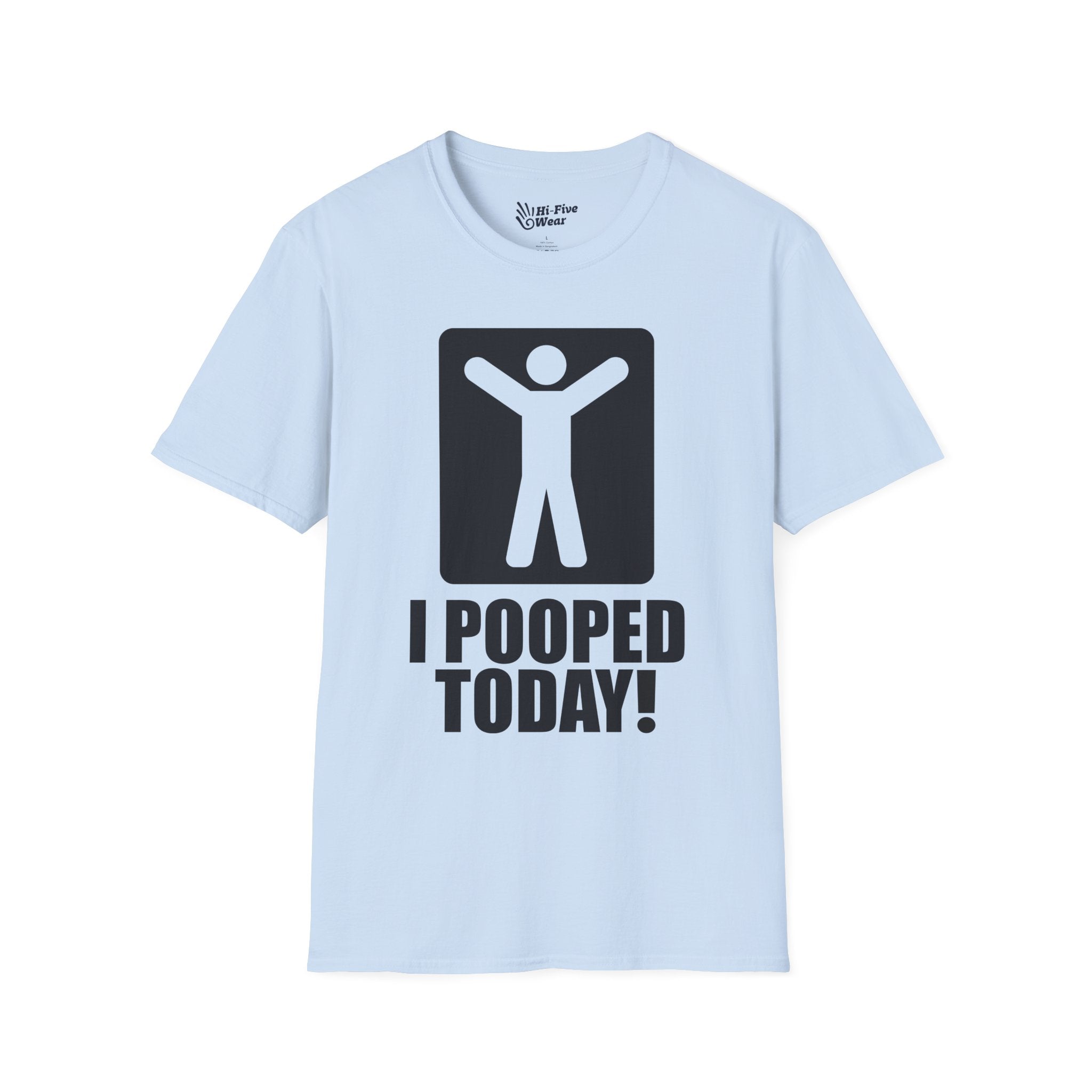
You’ve probably seen those insanely detailed, full-color T-shirts with photographic prints, soft hand feel, and zero cracking—even after 50 washes. Nine times out of ten, that shirt was made with DTG printing.
Here’s the dead-simple breakdown of what DTG actually is, how it works, and why it’s quietly taking over custom apparel in 2025.
DTG in One Sentence
DTG is basically an oversized inkjet printer that sprays water-based ink directly onto a T-shirt (or hoodie, tote, etc.) and heat-cures it so the design becomes part of the fabric.
Think of it as printing a high-res photo straight onto a shirt instead of using vinyl, screens, or transfers.
How DTG Actually Works (Step-by-Step)
-
Pre-Treatment For cotton and cotton-rich garments, the print area gets sprayed with a clear pre-treatment liquid. This helps the white ink (yes, there’s white ink) stick and keeps colors from soaking into the fibers like a watercolor painting gone wrong.
-
The Shirt Gets Loaded The garment is stretched onto a metal platen (like a shirt-shaped tray) and slid into the printer.
-
White Base Layer (Only on dark shirts) The printer lays down a layer of white ink first. This acts like primer so your colors pop vibrantly on black, navy, or red shirts. On white or light shirts, this step is skipped.
-
CMYK Color Layer The printer then sprays millions of tiny droplets of cyan, magenta, yellow, and black ink on top of the white base (or directly on light shirts). Modern DTG printers can hit 1440 x 1440 dpi—photo-lab quality.
-
Heat Curing The shirt goes through a conveyor dryer or heat press at ~320–340°F for 60–90 seconds. This locks the ink into the fibers permanently.
Done. No screens, no vinyl weeding, no messy emulsions.
What DTG Is Amazing At
- Photographic prints, gradients, tiny text, and hyper-detailed artwork
- Small runs and one-offs (perfect for Etsy, Print-on-Demand, artist merch)
- Super-soft hand feel (you can barely feel the print)
- Full-color designs on black shirts without looking like a plastic sticker
- Printing on hoodies, sleeves, pockets, and weird placements
What DTG Is Still Not Great At (2025 Reality Check)
- Huge bulk orders (screen printing is still cheaper above ~100–200 pieces)
- Neon, metallic, or ultra-thick puff effects (use screen print or DTF for those)
- 100% polyester sport jerseys (needs special dye-sublimation instead)
- Super-low-cost giveaway shirts (the pre-treat and ink cost money)
The Big Players in DTG Machines (2025)
- Kornit Atlas / Storm / Avalanche – industrial workhorses used by big print-on-demand companies
- Epson SureColor F2270 / F3070 – the new gold standard for shops
- Brother GTXpro – beloved for reliability and lower running cost
- Ricoma Vision / M&R M-Link X – newer contenders gaining ground
DTG vs. Everything Else (Quick Cheat Sheet)
| Method |
Best For |
Hand Feel |
Min. Order |
Cost per Shirt (25 pcs) |
| DTG |
Full-color, detailed, small runs |
Butter soft |
1 |
$9–14 |
| Screen Print |
Bold, simple designs, big runs |
Slightly thicker |
24+ |
$4–8 |
| DTF Transfers |
Polyester, hats, all-over prints |
Medium |
1 |
$7–11 |
| Vinyl/Heat Press |
Names/numbers, simple logos |
Plastic |
1 |
$6–10 |
| Sublimation |
100% polyester, all-over |
No feel |
1 |
$6–9 |
The Bottom Line in 2025
DTG isn’t “the future” anymore—it’s the present for anything that needs to look like retail quality with zero minimums.
If your design has more than 3–4 colors, gradients, photos, or tiny details → DTG is almost always the right answer.
If you’re selling $40 artist tees, gaming merch, pet portraits, or anything where softness and detail matter more than saving $2 per shirt, DTG is the reason those shirts feel like magic.
Next time someone hands you a shirt and says “this print is so soft I can’t even feel it,” you’ll know exactly what happened: a million tiny ink droplets just became best friends with the cotton fibers.
That’s DTG. Welcome to the soft-print revolution.